Some products are more than products. They are places. They are people. They are history. The law is finally catching up.
There is a bottle of sparkling wine sitting on a shelf somewhere in the world right now. It is labelled Champagne. And because of that single word, the consumer holding it knows, with legal certainty, that what they are about to drink was produced in a specific region of northeastern France, according to methods refined over centuries, by producers bound to exacting standards of quality and tradition. That guarantee is not a marketing claim. It is the law. It is backed by one of the most powerful trade protection mechanisms in the international legal system: the Geographical Indication.
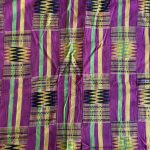
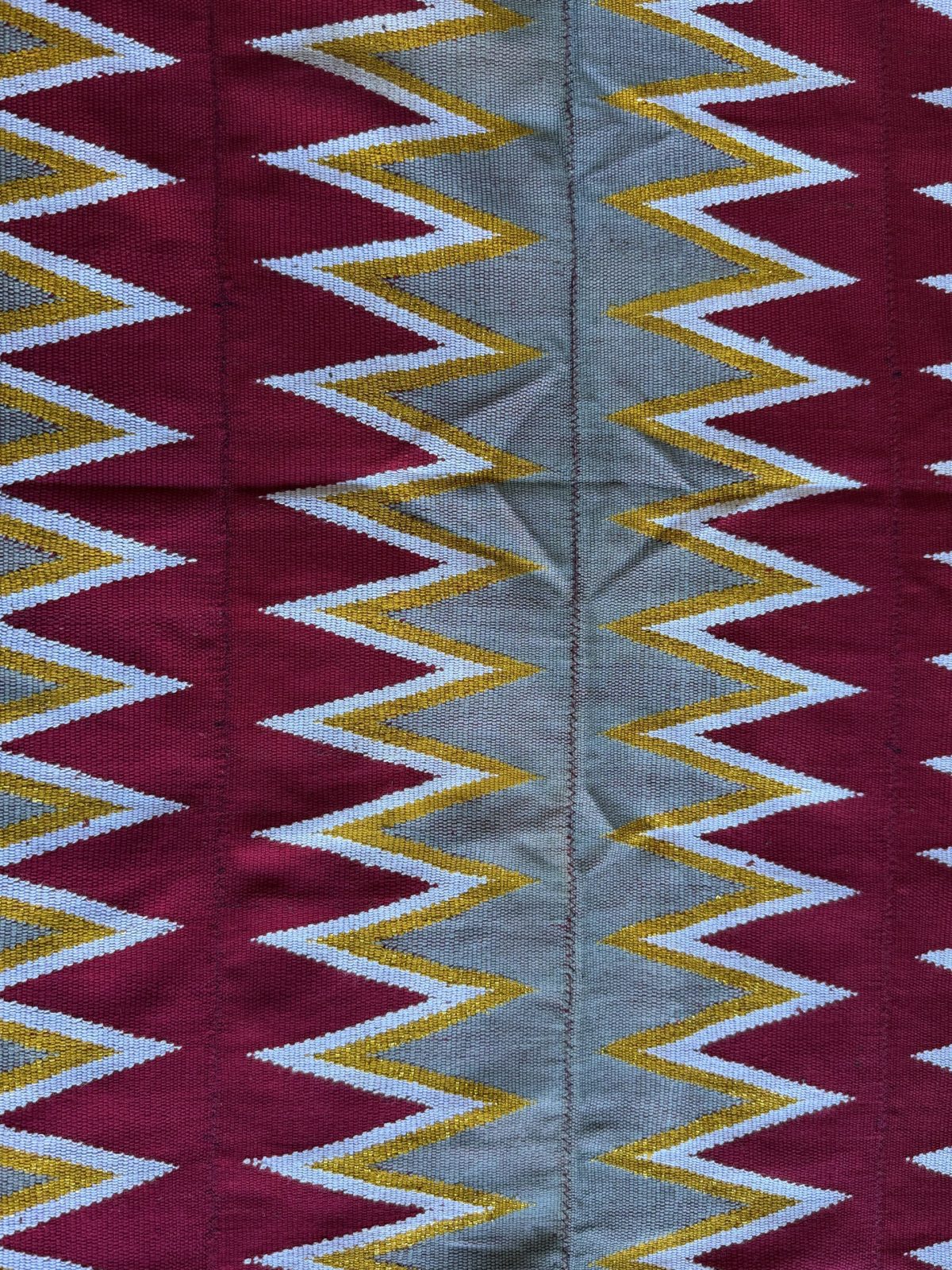
Now consider a length of cloth sitting on a market stall somewhere in the world. It is labelled Kente. The consumer holding it has no such guarantee. That cloth may have been produced by an Ewe or Ashanti master weaver in Ghana, using techniques passed down through generations and patterns carrying centuries of cultural meaning. Or it may have been manufactured in a factory in Asia from cheap polyester, printed by machine in minutes, and shipped to market with no connection whatsoever to Ghana, to its people, or to the tradition it purports to represent.
This is the gap that a Geographical Indication for Kente would close. And closing it would change everything.
What a Geographical Indication Actually Is
A Geographical Indication, or GI, is a form of intellectual property protection granted to products that have a specific geographical origin and whose quality, reputation, or other characteristics are essentially attributable to that origin. It is, at its core, a truth-telling mechanism built into trade law.
The most familiar examples come from food and drink. Champagne can only come from Champagne, France. Parmigiano-Reggiano cheese can only be produced in specific provinces of northern Italy. Darjeeling tea must originate from the Darjeeling district of West Bengal, India. Roquefort cheese is protected to a single village in southern France. In each case, the GI ensures that the name on the label is a genuine and verifiable claim about origin.
GIs are administered under the World Trade Organisation’s Agreement on Trade-Related Aspects of Intellectual Property Rights, known as TRIPS, which requires all member states to provide legal protection for geographical indications.
Crucially, a GI does not create a monopoly in the traditional sense. It does not prevent anyone from making a similar product. What it prevents is the use of the protected name for products that do not meet the geographical and qualitative criteria. A sparkling wine producer in South Africa can make excellent wine using the same method as Champagne producers. They simply cannot call it Champagne. The name belongs to the place.
Why Kente Is a Perfect Candidate for GI Status
Kente meets every criterion for Geographical Indication protection, and meets them with extraordinary clarity.
It has a specific and well-documented geographical origin. Kente is produced by the Ewe people of the Volta Region and the Ashanti people of the Ashanti Region of Ghana. The primary weaving communities, including Bonwire, Adanwomase, Kpetoe, and Agotime, are established centres of a tradition that has existed in these locations for centuries.
Its qualities are entirely attributable to its origin. The specific patterns of Kente, their names, their meanings, and the protocols governing their use, are products of Ghanaian cultural and social history. They cannot be replicated elsewhere because the knowledge that generates them exists only within the communities that developed them.
There is established reputation and global recognition. Kente is not an obscure regional craft. It is one of the most recognised textiles on earth. That recognition, built over decades of export, diplomatic gifting, diaspora adoption, and cultural celebration, is precisely what makes GI protection both necessary and viable.
The Economic Transformation GI Status Would Bring
The economic case for a Kente GI is as compelling as the cultural one. When a product carries verified GI status, it commands a premium in the marketplace. Consumers who value authenticity, and there are millions of them globally, will pay more for the real thing when they can be certain they are getting it. Studies of GI-protected products in Europe consistently show price premiums ranging from twenty to three hundred percent compared to unprotected equivalents.
For the weavers of Bonwire and Kpetoe, this premium would be transformative. These are skilled artisans producing culturally irreplaceable work, yet competing in a market flooded with machine-made imitations that undercut their prices dramatically. A GI would not just protect their market position. It would actively strengthen it.
What Stands Between Kente and GI Protection
The path to GI status for Kente is achievable but requires deliberate effort. A successful GI application requires documentation of the product’s geographical origin, production methods, and quality standards. It requires the establishment of a body capable of certifying compliance, monitoring the market, and enforcing the designation. And it requires political will at the governmental level.
This is where the Kente Registry becomes indispensable. The Registry, by creating a comprehensive and authoritative record of Kente patterns, weaving communities, production standards, and cultural meanings, would provide exactly the documentation base that a GI application requires.
A Model for African Cultural Heritage
What makes the Kente GI project significant beyond Ghana’s borders is the model it would establish for the rest of Africa. The continent is home to an extraordinary wealth of distinctive cultural products, from Ethiopian hand-woven textiles to Malian bogolan mud cloth, from Moroccan argan oil to South African rooibos tea, many of which remain inadequately protected against misappropriation and imitation.
A successful Kente GI, pursued rigorously and defended effectively, would demonstrate that African cultural products can achieve the same level of international legal protection as European wines and cheeses. It would signal to the global trade community that Africa takes the value of its heritage seriously and has the institutional infrastructure to back that claim.
A Geographical Indication for Kente would not merely be a legal designation. It would be a declaration, backed by international law, that what the weavers of Ghana have created belongs to them, is irreplaceable, and deserves the protection the world has long afforded the products it truly values.