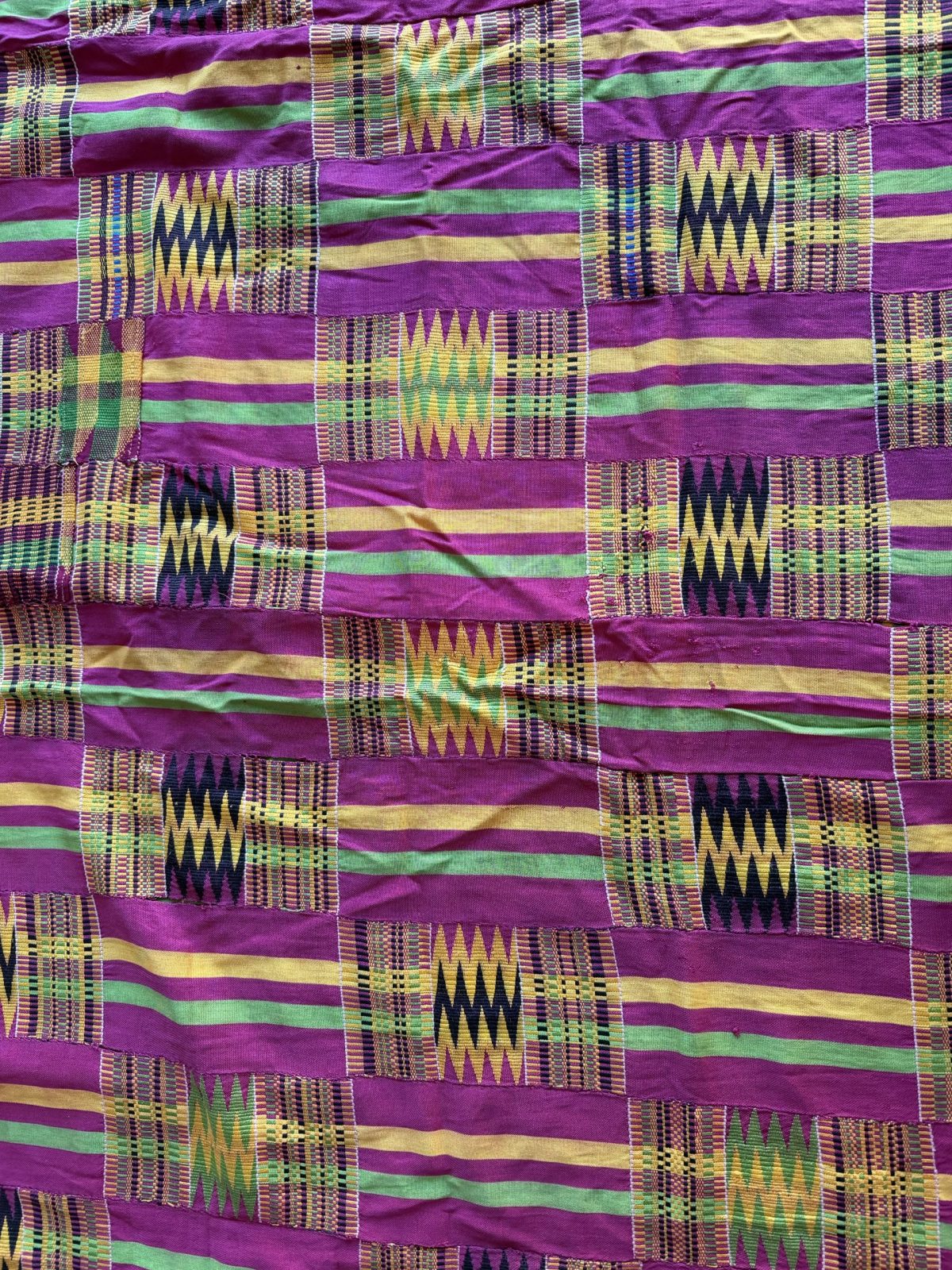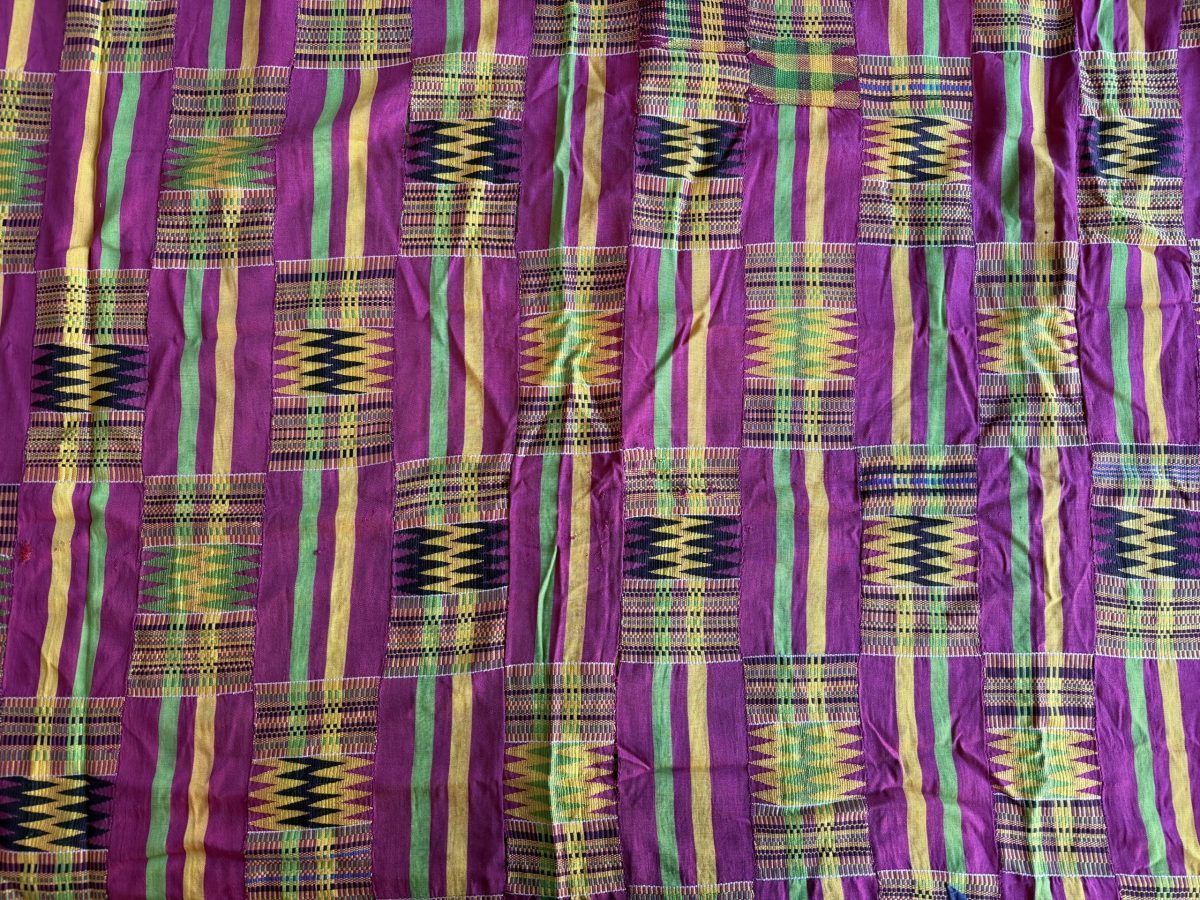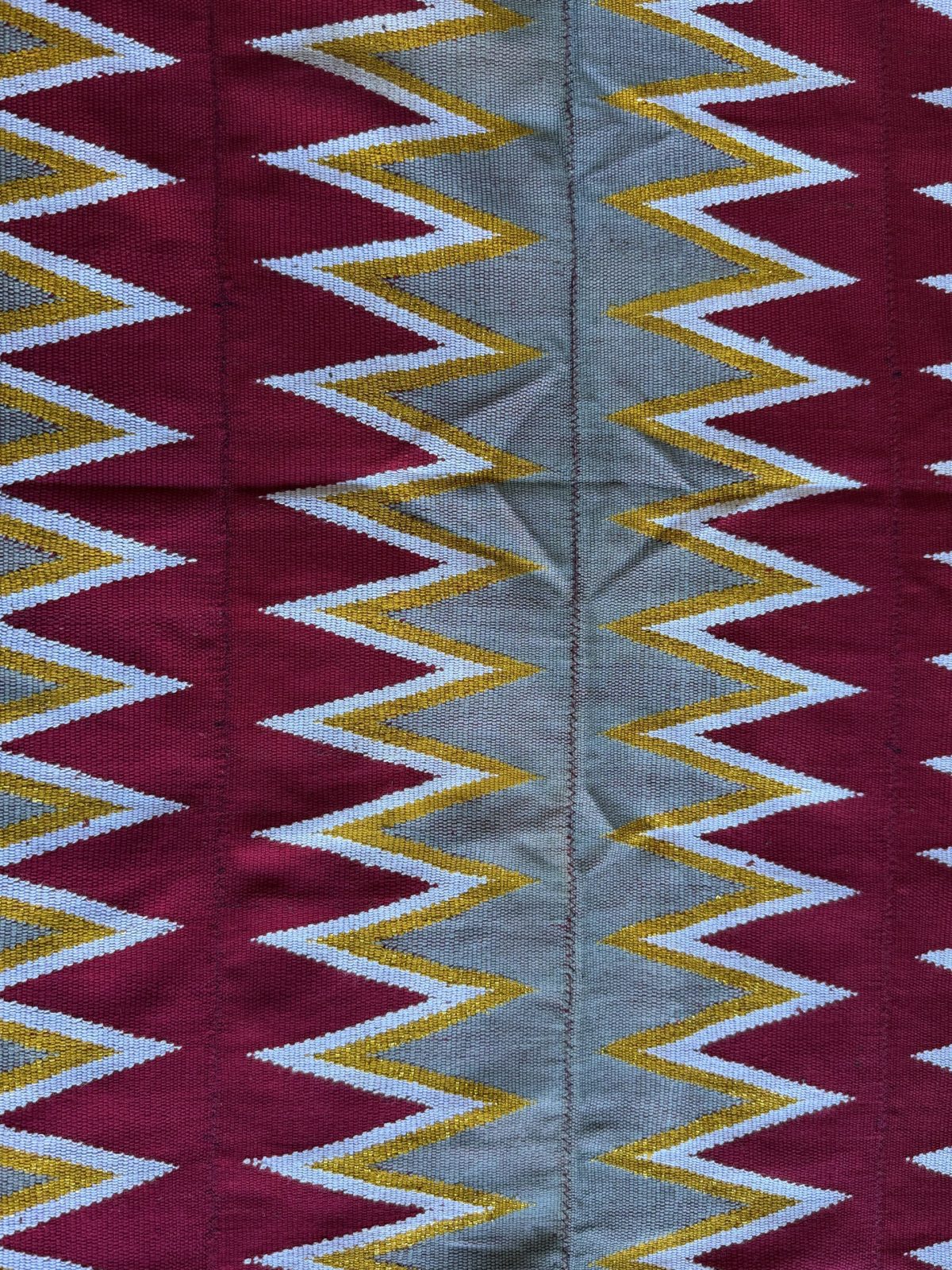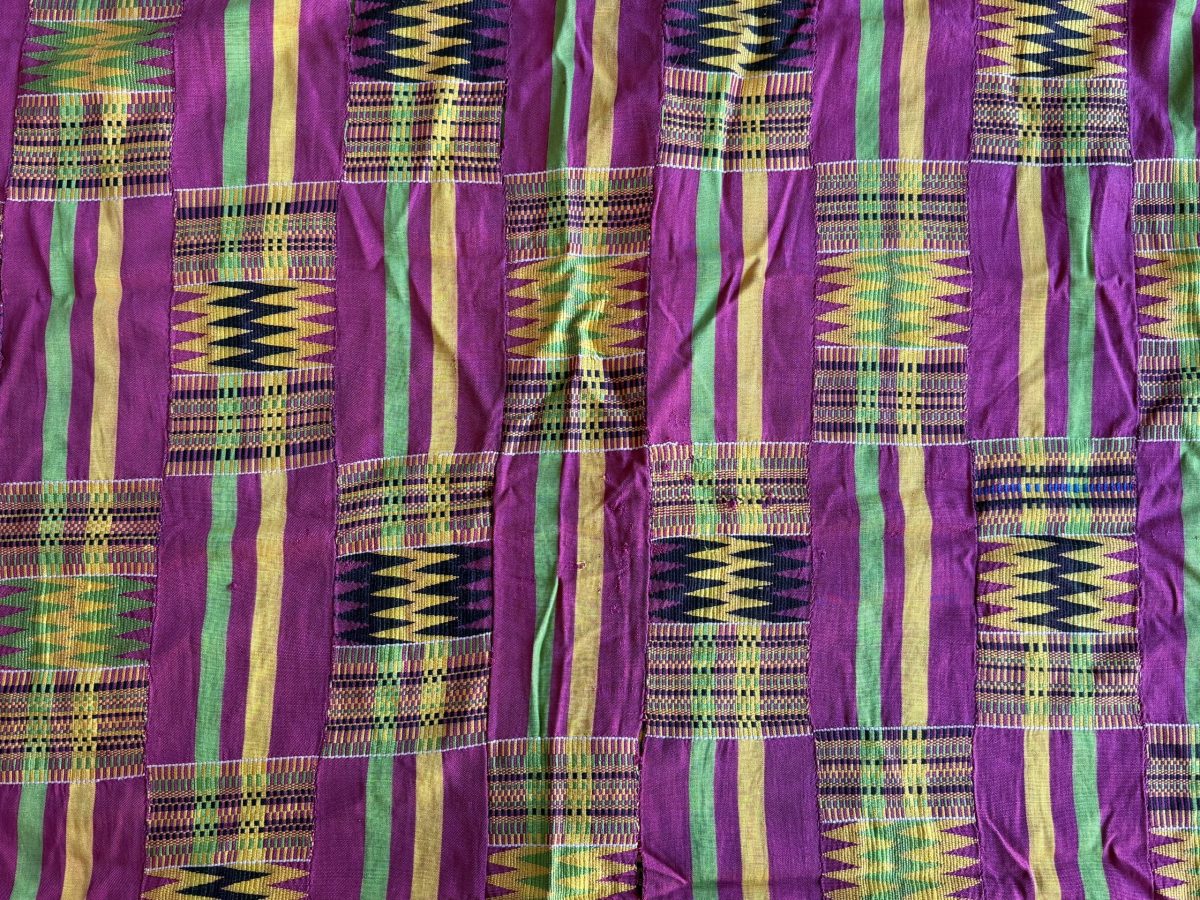
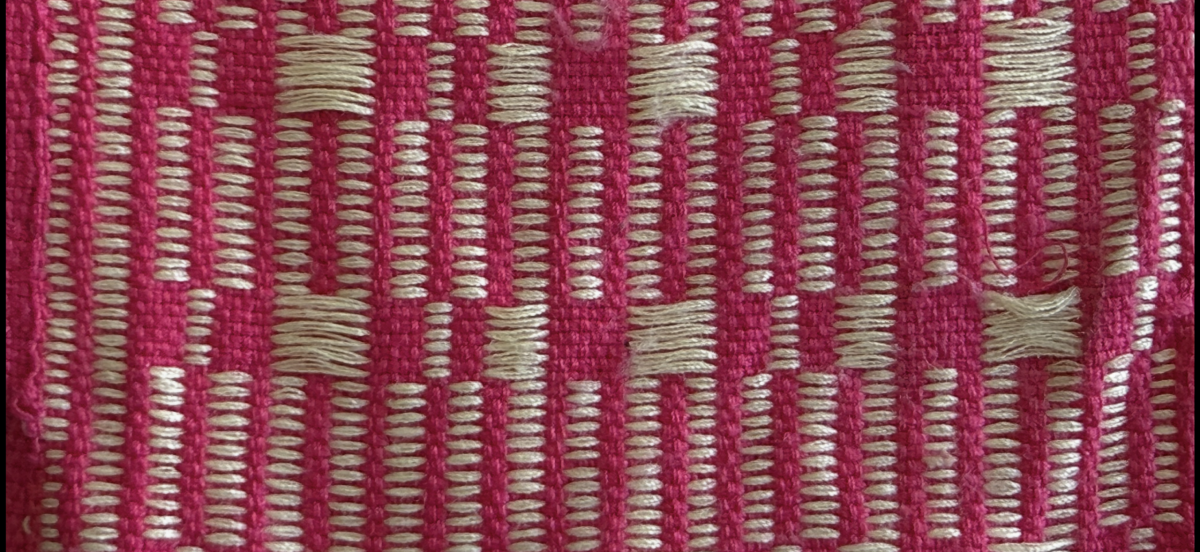
Every strip of Kente is a sentence. Every cloth is a speech. To wear it without understanding it is to speak without knowing what you are saying.
Imagine receiving a letter written in a language you do not speak. The letters are beautiful, the ink rich, the paper fine. You can admire the penmanship. You can recognise that something important has been written. But you cannot read it. Now imagine learning the language. Suddenly the letter transforms. What was surface becomes substance. What was pattern becomes meaning. What was admirable becomes profound.
This is the experience of encountering Kente. For millions of people who see it, wear it, and celebrate it, Kente is a beautiful object. But for the Ewe and Ashanti people of Ghana who created it, Kente is a text, dense with vocabulary, rich with grammar, specific in its declarations.
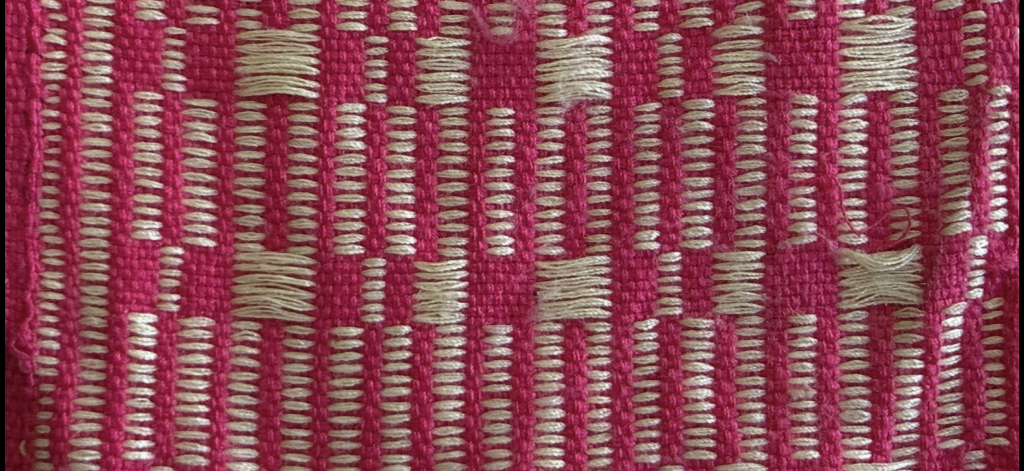
The Grammar of Colour
The first element of Kente’s language is colour. In the Kente vocabulary developed by the Ewe and Ashanti weavers of Ghana, each colour carries a specific and culturally agreed meaning.
Gold (and yellow): The colour of royalty, wealth, and moral authority. Gold in Kente does not simply represent material richness but the earned status that comes with wisdom, integrity, and service to the community. It is the colour of the Ashanti Golden Stool, the spiritual heart of the nation.
Green: The colour of growth, renewal, and the living earth. Green represents fertility, both of the land and of the family, and carries associations with the agricultural rhythms that have always underpinned Ghanaian life.
Black: Perhaps the most misunderstood colour in the Kente vocabulary for those unfamiliar with its tradition. Black does not signify mourning or negativity. It represents spiritual maturity, the wisdom of age, and the protective power of the ancestors.
White: The colour of purity, healing, and the sacred. White is associated with the spiritual dimension of life, with cleansing ceremonies, and with the relationship between the human and the divine.
Blue: Peace, harmony, and love. Blue in Kente carries the qualities of water, which in Ghanaian spiritual tradition is associated with life-giving force, with the smoothing of conflict, and with the deep bonds of family and community.
Red: Used sparingly and deliberately, red carries the weight of political authority, sacrifice, and the blood of those who gave their lives for the community. It is a serious colour, deployed when the occasion demands acknowledgment of struggle, sacrifice, or the gravity of leadership.
Silver: Associated with the moon, with serenity, and with purity in its cosmic dimension. Silver appears in Kente when the weaver wishes to invoke a quality that transcends the everyday.
The Vocabulary of Pattern
If colour is the vocabulary of Kente, pattern is its syntax. There are hundreds of distinct Kente patterns, each with a name, an origin, and a precise cultural meaning.
Adweneasa is perhaps the most celebrated pattern in the Kente repertoire. Its name means “my skills are exhausted,” and it represents the pinnacle of a weaver’s technical achievement. A cloth woven in Adweneasa declares that the weaver has given everything they have. It is worn at moments of supreme achievement and is associated with the Ashanti royal court.
Sika Futuro means “gold dust” and is associated with wealth, prosperity, and the moral quality of the person who has earned it honestly. It is often worn by leaders and successful people as a declaration of both material success and the integrity with which that success was achieved.
Emaa Da, meaning “it has never happened before,” is a pattern reserved for unprecedented achievements and historic moments. It celebrates the first, the groundbreaking, the extraordinary. When Ghana achieved independence in 1957, Emaa Da was among the patterns worn to mark the occasion.
Asasia is a royal pattern, reserved in tradition for chiefs and kings. Its geometric structure communicates the order and authority that good governance requires. To wear Asasia without royal entitlement was historically considered a serious transgression of social order.
Oyokoman takes its name from the royal clan of the Ashanti and is associated with danger survived and safety restored, communicating the resilience of those who have faced adversity and come through it with their character intact.
Kubi is associated with aristocratic leadership and the responsibilities of those in authority. It speaks of the obligation of the powerful to serve those they lead, embedding the ethics of governance into the very cloth worn by those who govern.
The Occasion Speaks Through the Cloth
Beyond colour and pattern, a third dimension of Kente’s language is occasion. The specific cloth worn to a naming ceremony is different from the one worn to a funeral. An experienced Ghanaian observer reads all three dimensions simultaneously: what colours have been chosen, what patterns woven, and what occasion is being marked.
Understanding these dimensions of Kente’s language transforms the experience of seeing it. What might appear to an uninformed observer as a beautifully coloured cloth reveals itself as a specific and intentional act of communication, addressed to a community that knows how to read it.
Why Learning the Language Matters
There is a practical reason to learn Kente’s language, and a moral one. The practical reason is simple: understanding what you are wearing or displaying allows you to wear or display it appropriately. A pattern reserved for royalty worn casually to a party is not a neutral act.
The moral reason is deeper. Kente has become a global phenomenon. If all those people engage with Kente purely as visual spectacle, admiring its surface while remaining ignorant of its depth, something important is lost. The culture is flattened. Its meaning is erased in the very act of its celebration.
But if even a fraction of those millions take the time to learn something of what Kente means, genuine appreciation replaces superficial admiration. And the weavers of Ghana, who have invested their lives in the transmission of this knowledge, see that investment honoured in the way it was always meant to be: through understanding.
Kente was designed to be read. It is time the world learned to read it.