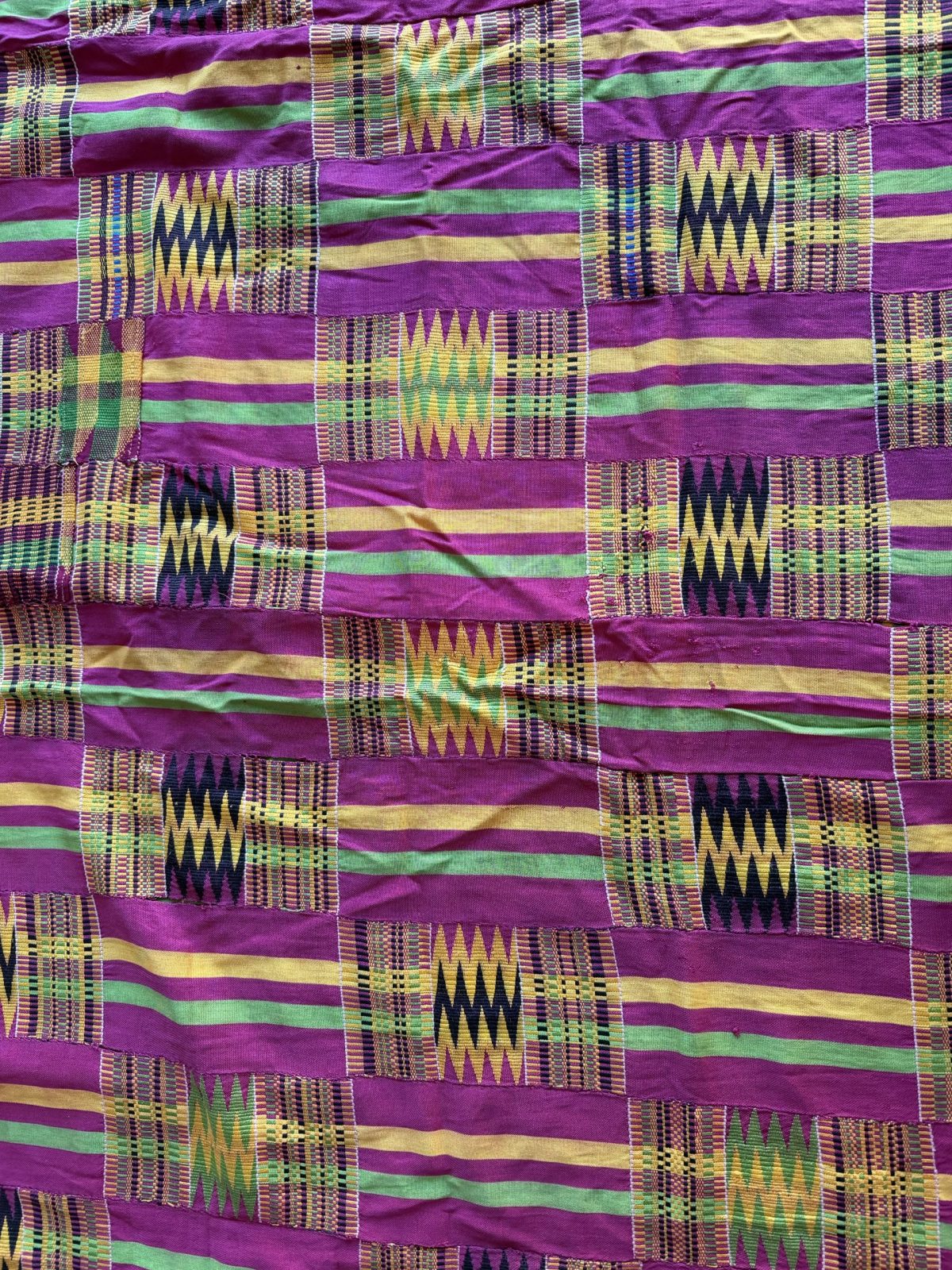
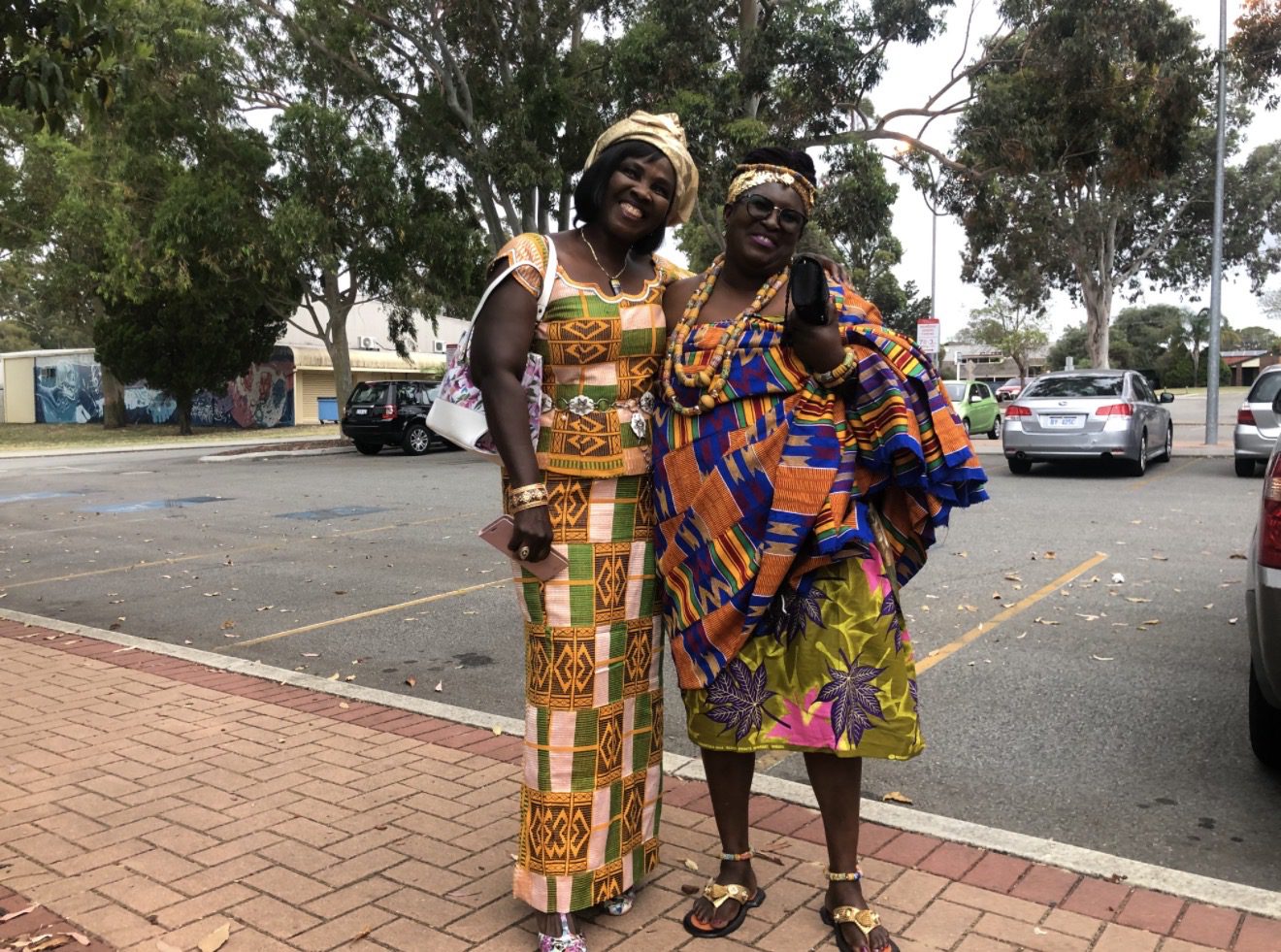
Across centuries and continents, women have expressed identity, pride, and belonging through the garments they wear. Among the most striking examples of this is the resplendent Kente cloth from Ghana. Woven with precision and rich symbolism, Kente has long been associated with royalty, ceremony, and cultural expression. Today, in Ghana and across the world, women continue to drape themselves in this magnificent fabric to celebrate their heritage, assert individuality, and honour the enduring strength of womanhood.
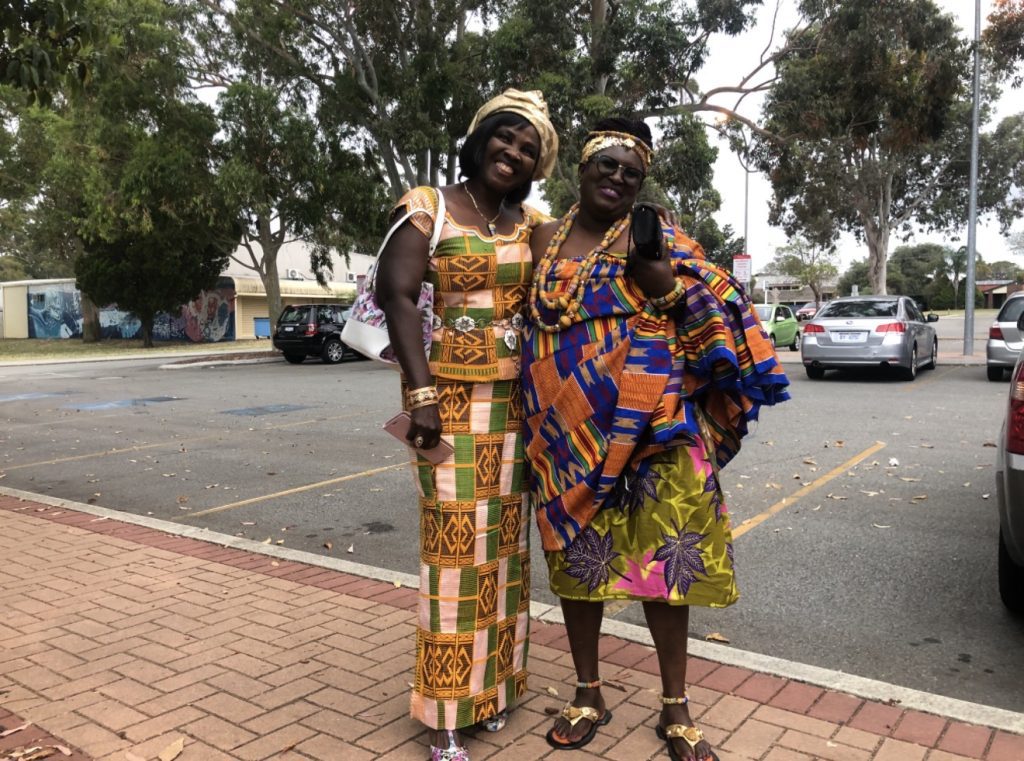
On International Women’s Day 2026, the sight of women wrapped in vibrant Kente stands as a living tribute to culture, history, and feminine dignity.
Kente originates from the weaving traditions of the Ashanti people and the Ewe people of Ghana. For generations, skilled weavers have created the cloth using narrow strips of silk or cotton woven on specialised looms. Each strip is meticulously stitched together to form a larger cloth adorned with intricate geometric patterns. Historically, Kente was reserved for royalty and sacred occasions, particularly within the Ashanti people, where it symbolised authority, wisdom, and prestige. Over time, however, the cloth became embraced more broadly by communities throughout Ghana and the wider African diaspora.
While men traditionally wore Kente wrapped over one shoulder in a style reminiscent of classical togas, women developed their own elegant ways of draping the cloth. Ghanaian women transformed Kente into garments that celebrate both modesty and artistry. The fabric may be wrapped around the body as a graceful two-piece ensemble consisting of a skirt and blouse, or styled as a flowing dress that moves with regal elegance. In ceremonial settings such as weddings, festivals, and naming ceremonies, women often complement their Kente attire with elaborate headwraps, beads, and gold jewellery, creating an ensemble that radiates dignity and grace.
Women, Kente, and the Living Tapestry of Identity
For many women, Kente is more than a beautiful fabric; it is a language of identity. Each pattern and colour combination carries meaning, often reflecting proverbs, moral values, or historical narratives. Deep gold may represent wealth and royalty, green symbolises growth and renewal, while blue conveys harmony and peace. When women choose a particular Kente pattern, they are often selecting a message about themselves or the occasion they are celebrating. In this way, the cloth becomes a visual expression of personal philosophy, heritage, and aspiration.
The symbolism of Kente resonates especially strongly during moments of celebration and transition in a woman’s life. Brides across Ghana frequently select Kente as their wedding attire, transforming the cloth into intricately tailored gowns that merge tradition with modern design. At graduation ceremonies, young women proudly wear Kente stoles over their academic robes, acknowledging both their educational achievement and their cultural roots. During festivals and community gatherings, mothers, daughters, and grandmothers appear side by side in vibrant Kente, visually linking generations through shared heritage.
Beyond Ghana’s borders, women in the global African diaspora have embraced Kente as a powerful symbol of cultural pride. In cities throughout Europe, North America, and Australia, Kente appears during cultural festivals, academic graduations, and heritage celebrations. Women of African descent wear the cloth as a reminder of ancestral connections and collective resilience. For many, draping Kente is an act of remembrance and affirmation, bridging historical distance while celebrating enduring cultural identity.
International Women’s Day provides a meaningful opportunity to reflect on how clothing can become a powerful form of storytelling. When women wear Kente, they do more than dress for beauty or ceremony; they participate in a centuries-old narrative woven by artisans, communities, and ancestors. Each fold of cloth carries echoes of history, creativity, and resilience. It reminds the world that culture is not static but lived and renewed by those who honour it.
In Ghanaian communities especially, the visual spectacle of women dressed in Kente during celebrations reflects the vitality of cultural continuity. Festivals burst with colour as women gather in dazzling fabrics, greeting one another with warmth and pride. Elders pass down knowledge of patterns and traditions to younger women, ensuring that the meanings embedded in the cloth are never lost. Through these shared experiences, Kente becomes a thread that binds community, memory, and identity.
At the same time, the individuality of each woman remains central to the tradition. No two Kente ensembles appear exactly the same. Women choose colours, patterns, and styles that reflect their personality, beliefs, and life experiences. Some prefer bold, radiant combinations that command attention, while others choose softer palettes that convey elegance and calm. In every case, the wearer transforms the cloth into a personal statement.
In a rapidly changing world, traditions such as Kente remind us that cultural heritage can flourish alongside modern life. Women who wear Kente today do so not only to honour the past but also to celebrate the present and inspire the future. The cloth stands as a vibrant symbol of creativity, dignity, and continuity, woven through generations of women who carry their culture forward with pride.